
Mistakes I Made in My First Two Years of Concert Photography
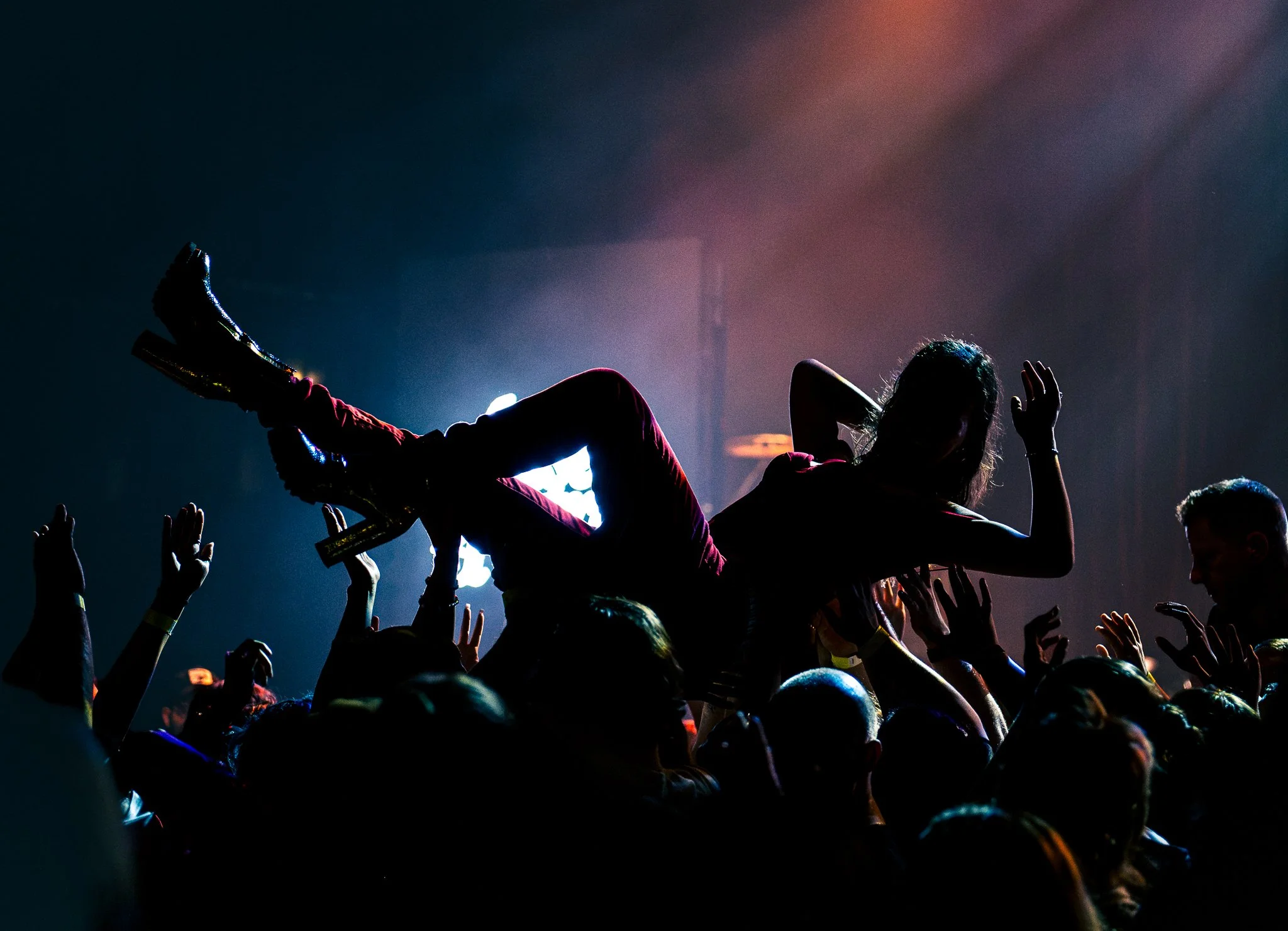
A bit over two years in, I've done some really cool stuff. I’ve worked with the Boston Symphony, photographed major festivals, and worked with a few artists I still can't quite believe said yes to me. None of that happened without some genuinely rough moments along the way. Some funny in hindsight, some that actually cost me something. Here are the ones worth sharing, in case they save someone else the same mistake.
1. The Great RAW-to-JPEG Disaster
It was my first-ever professional gig, and I’m still a bit too embarrassed to name the band. Before I even started shooting, my camera started acting a little glitchy, so I did what seemed like the smart thing: I factory reset it. What I didn't realize was that the reset also reverted my file format setting back to JPEG. And I shot the entire show without noticing.
I didn't find out until I got home and started editing. I should have picked it up immediately when the files imported crazy fast into Lightroom. I started editing, and noticed things were just not looking as good as they usually did. Grainier, not as sharp, and I had much less flexibility adjusting colors and exposure. Came out of that editing session with photos I genuinely was not happy with, and the band didn’t end up using the photos. It still haunts me a bit, but it was a valuable lesson.
The lesson: after any reset, reconnect, or firmware update, check your settings before you shoot a single frame, not after. Format, ISO, white balance, all of it. Don't assume anything carried over.
2. Only Shooting the Hero Shots
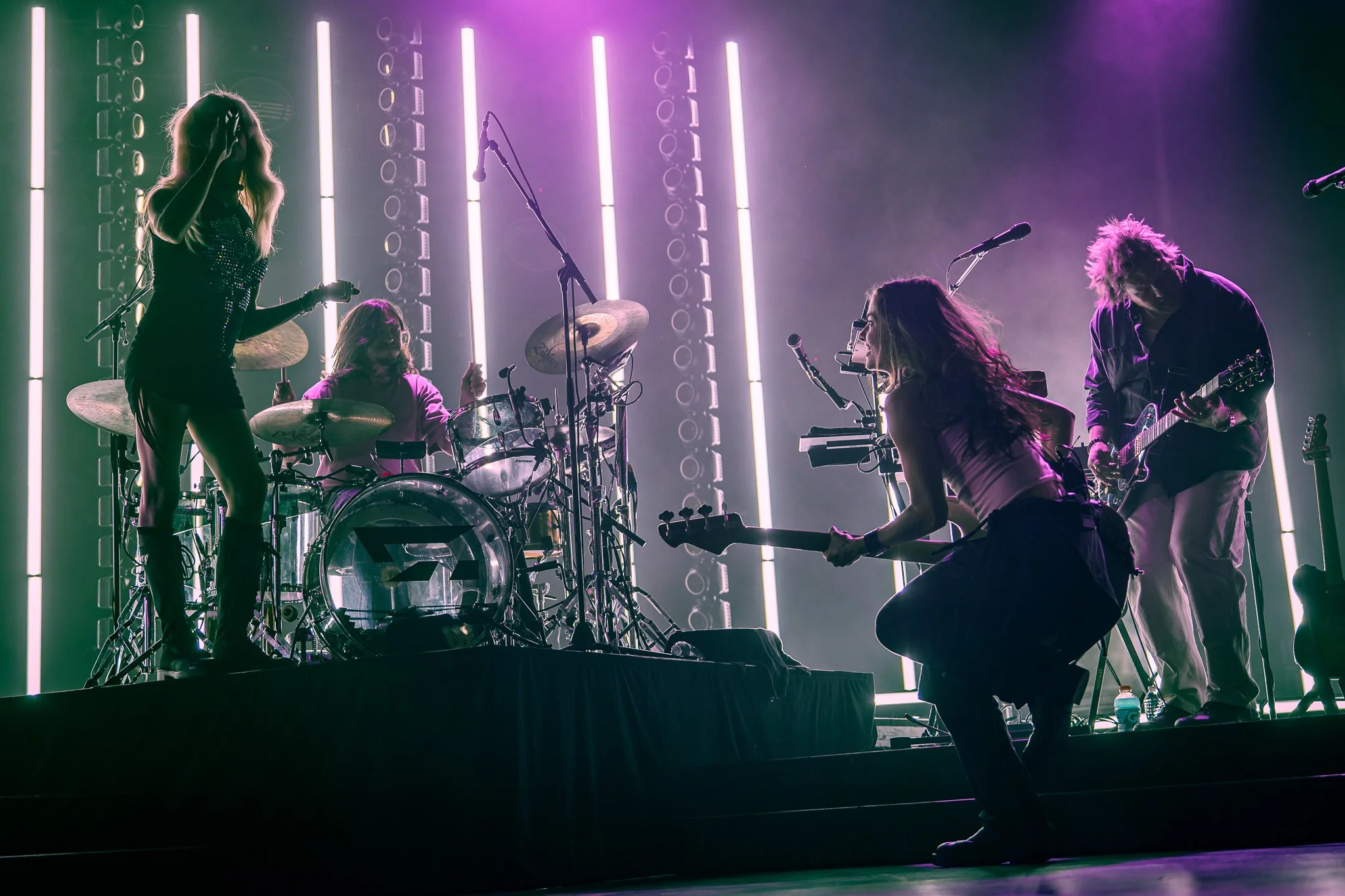
My whole first year, if you looked through my galleries, you'd have thought a concert was just a person standing on a stage. Artist mid-note, artist with guitar raised, artist under a single spotlight. Great shots, technically. But a show is not just the person performing.
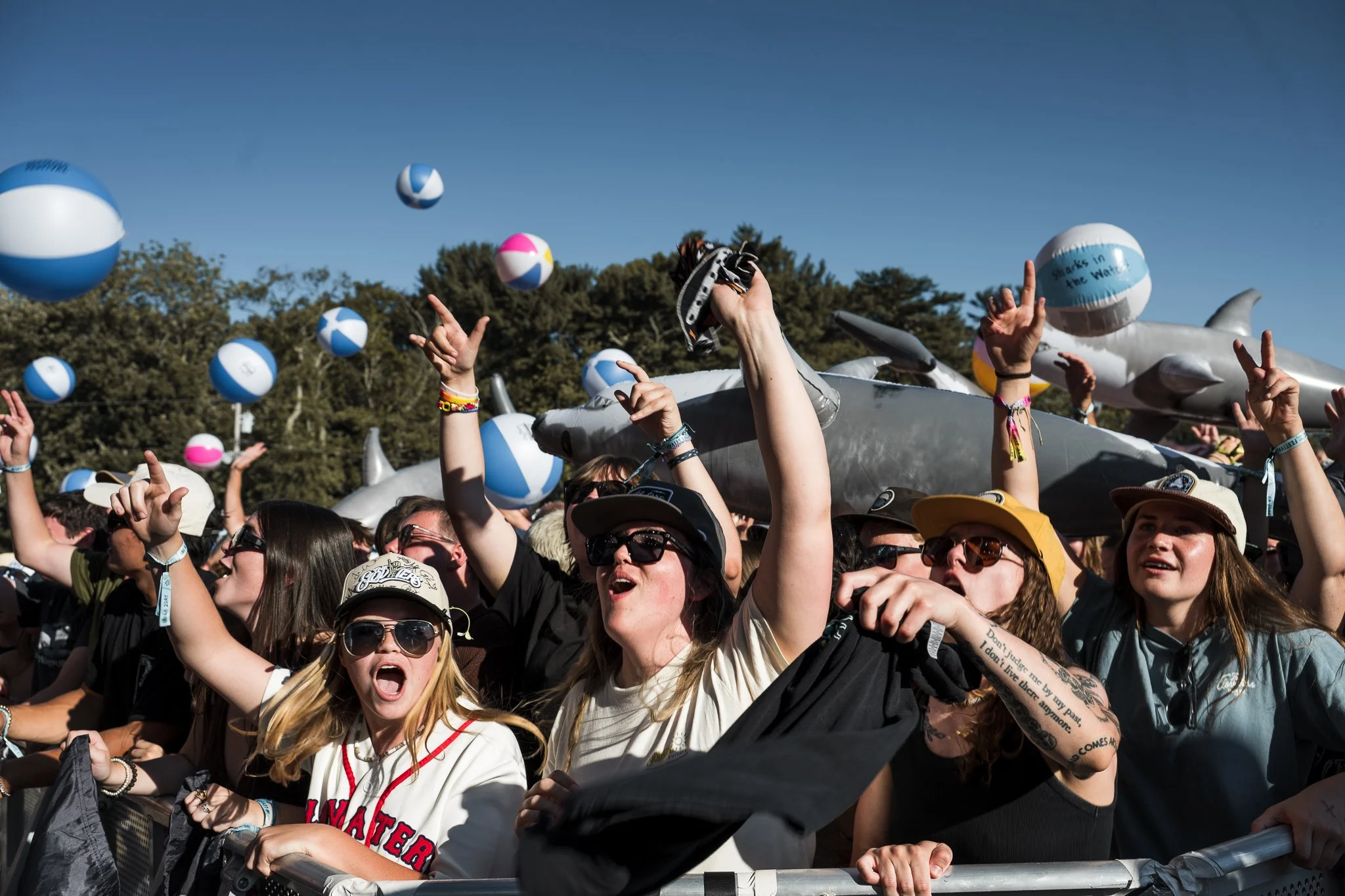
I wasn't shooting the crowd, the wide stage context, the production design, or the small in-between moments that actually put someone back in the room. It took embarrassingly long to realize a gallery needs range, not just fifteen versions of the same hero shot.
The lesson: a show is an environment, not just a subject. Crowd shots, wide shots, candid moments backstage or in the pit. That’s what make a gallery feel like you were there, not just that you had a good lens.
3. Knowing Your Limit for Free Work
I love a lot of artists enough that I'd shoot their show for free, no question. That's not the problem. The problem is not knowing where that instinct stops being generous and starts being something you get taken advantage of.
I said yes to shooting a set for an artist pass, no pay. It was a festival I was already going to be at, I really liked the artist, and the idea of having an artist pass at a festival was too good to pass up. But then it became photo and video. Then it became syncing full board audio and cutting b-roll into a finished piece, unpaid, on my own time, for a team that took days to even acknowledge I'd sent it.
I'm not saying never do free work. I still will for the right artist, the right access, the right relationship. But I've learned to actually notice the moment the ask changes shape. Photo access for a favorite artist is one kind of trade. Full video production is an entirely different job, and it deserves its own conversation about scope and pay. No matter how much you love the band.
The lesson: free work isn't the problem. Not noticing when the ask has quietly outgrown what you agreed to is.
4. Negotiating Isn't Rude
Related to the a above - early on, I said yes to whatever a team asked for. Because I assumed pushing back would make me look difficult, or cost me the gig entirely. I've since learned that's rarely true.
I had a gig where the ask kept creeping earlier and earlier. Arrive for load-in, hang around for hours, on top of the soundcheck-through-set coverage I'd actually quoted. I asked, plainly, whether the earlier arrival was really necessary given what I'd originally quoted. The answer: no problem at all, of course not.
The lesson: they don't hold all the cards. If a request goes beyond what you agreed to, you're allowed to say so. And more often than not, a reasonable team will just say "sure, that's fine" and adjust. The worst outcome of asking is rarely as bad as you think it'll be.
5. Hydration Isn't Optional
You can skip this one if you really want, but I promise it’s important. Levitate 2025. Blistering heat, full sun, hours on my feet weaving through a packed festival crowd. I didn't take it seriously enough. I didn't find enough shade or hydrate properly. I passed got heat stroke and passed out. In public. While working.
It was avoidable, and it was embarrassing, but more than that, it was genuinely risky. Heat stroke is real, and festival photography puts you directly in its path for hours at a stretch.
This isn't just a festival lesson either. Indoor club shows can be just as brutal. Packed rooms, broken AC, hours of standing and moving gear. You get so wrapped up in getting the shot that your own basic needs slip your mind entirely.
The lesson: hydrate before you think you need to, know your limits, and treat your own body like it's part of the gear you're responsible for maintaining. A great gallery isn't worth a hospital visit.
6. Show Up Prepared for the Job You Didn't Know You'd Have
I've shown up to a gig with only my 24-70mm, only to find out the actual plan was shooting from the soundboard, way further back than that lens can handle. I've shown up to work with an artist whose team told me, clearly, no portraits needed, only to have them ask for posed shots on-site, and I didn't have my flash with me.
Carrying more gear than you think you'll need is a genuine pain. It's heavy, it's a hassle, and most of the time you won't need half of it. But I've been surprised enough times now that "most of the time" isn't good enough anymore.
The lesson: plans change on-site more often than you'd expect. Bring the gear for the job you were told about, and a reasonable buffer for the job you might actually get once you're there.
7. Saying Yes to Everything
Concert photography is addictive fast. You're getting into shows for free, sometimes even getting paid, to do something that's genuinely fun. Early on, I said yes to almost everything, just to have something to shoot. I distinctly remember standing in a nearly empty room one weeknight, photographing a ska band I'd never heard of, purely because it was a show and I could be there with a camera.
That pace catches up with you. Saying yes to everything doesn't just fill your calendar, it burns you out and it dilutes your time and energy away from the shows that actually matter to your work or your enjoyment of it.
These days, before I accept or request any show, I ask myself one question: am I getting paid, or would I want to be at this concert even if I weren't photographing it? If the answer to both is no, that's usually my sign to just sit this one out.
The lesson: not every show needs you there. Being selective isn't slacking, it's what keeps this sustainable long enough to actually build something.
None of these mistakes were fun in the moment. Some were mortifying, one was genuinely dangerous, a couple just cost me time or leverage I didn't need to give away, and one just cost me my own sanity for a while. But two years in, they've all turned into the kind of lessons that actually stick.
If you're earlier in this than I am: hopefully this saves you at least one of these. And if you’ve been doing it longer, hopefully you can relate to at least one of these situations!
