
A Concert Photographer's Guide to Boston's Music Venues

Boston has one of the best live music ecosystems in the country. A dense cluster of venues ranging from sweaty 200-cap rooms to a 20,000-seat arena, all within a few miles of each other. For concert photographers, that variety is both a gift and a challenge. Every room shoots differently, every venue has its own rules, and figuring out the quirks of each one can take years of trial and error.
This guide covers the venues you're most likely to encounter as a working concert photographer in Boston. The mid-size rooms, the big rooms, and a handful of smaller spots that are great for building a portfolio before you start chasing photo passes. It's not exhaustive; Boston has plenty of other stages worth knowing. But these are the ones that come up most often, and knowing them will put you ahead of the curve.
THE MAIN ROOMS
Roadrunner
Brighton, MA · Cap. ~3,500

G Flip at Boston’s Roadrunner
Roadrunner is the best venue in Boston to shoot. Full stop. The lighting is excellent, the staff are genuinely photographer-friendly (many are shooters themselves, which makes a real difference), and for most shows the photo access doesn't end after your three songs in the pit. Unless an artist has strict rules, crowd shooting is usually fair game for the rest of the night.
One heads-up on logistics: Roadrunner is out in Brighton and not particularly close to public transit, so plan your travel accordingly. The upside is that for most shows, photographers enter through a side guest list entrance rather than the general admission line. It’s a small detail, but one that genuinely makes you feel like you're operating at a professional level.
Pro Tip: At a sold-out show, working through a packed crowd can get tough. Post up on the sides near the front with a longer lens and you can get pit-quality shots for the whole night without fighting for position.
House of Blues Boston
Fenway, Boston · Cap. ~2,400
House of Blues sits right off the Green Line and directly across from Fenway Park, which matters a lot when parking in that neighborhood can run you $60+ on a show night. The transit access alone makes it one of the most convenient venues in the city to get to.
House of Blues used to be the anchor mid-size room in Boston, but since MGM Music Hall opened down the street, the booking landscape has shifted and it doesn't draw quite the same caliber of acts it once did. That said, it remains a solid venue to shoot. The pit is wide and open, which is a luxury compared to some other rooms on this list. Three levels also give you genuine flexibility. After your pit songs, work your way up to the balcony for wide establishing shots that you simply can't get from the floor.
Pro Tip: The middle level is an underrated shooting spot. Even at a sold-out show, there's often enough space to crouch between people at the rail and fire off some solid wide shots with a clear sightline to the stage.
MGM Music Hall Fenway
Fenway, Boston · Cap. ~5,000
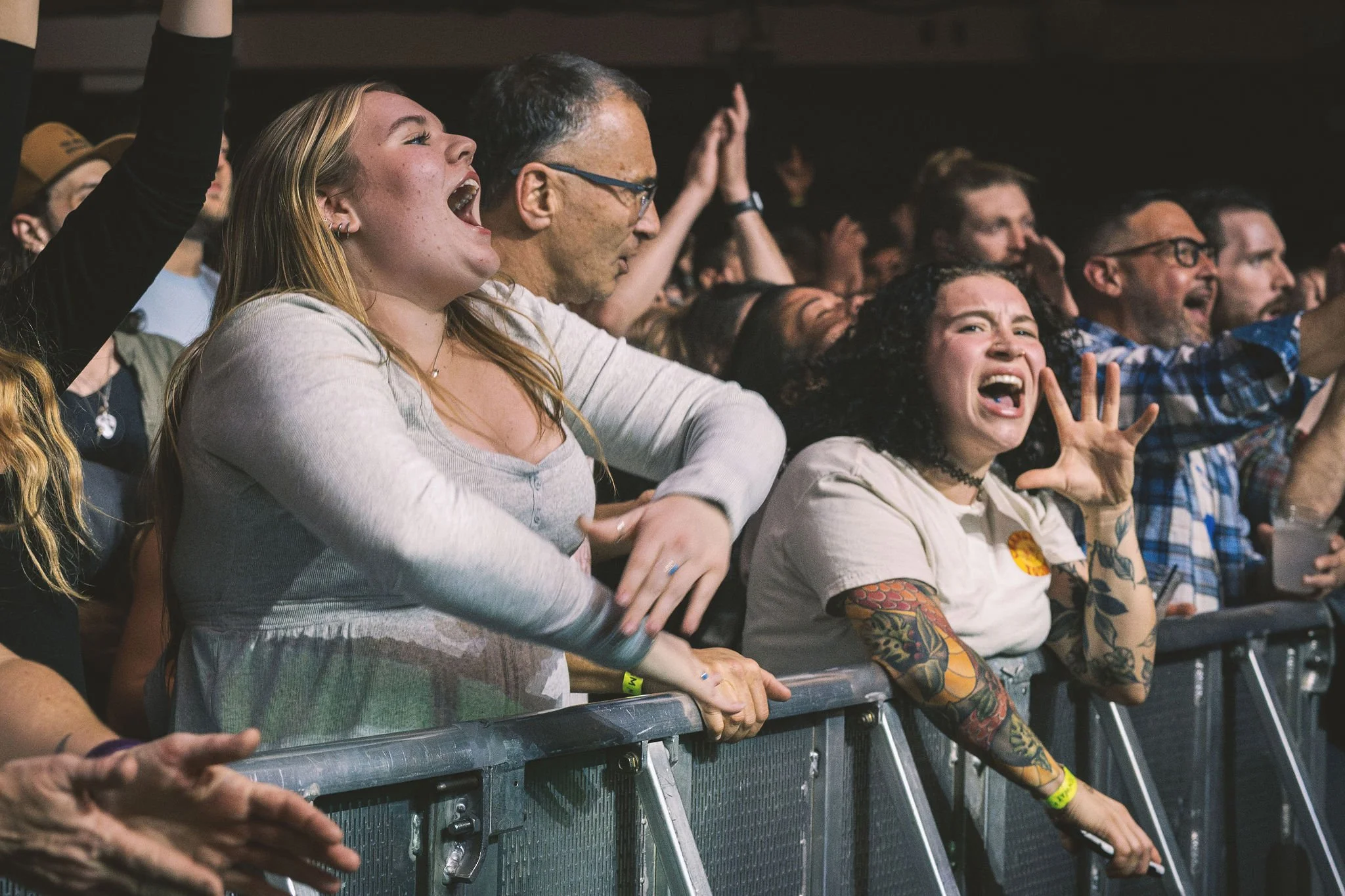
Crowd at MGM Music Hall
MGM is the newer, shinier option in the Fenway corridor. And with that comes tighter security and stricter enforcement of photo rules. The pit is wide and the lighting is genuinely excellent, which makes it a rewarding room to shoot when everything goes smoothly. The key phrase there is when everything goes smoothly.
Security here runs a tighter ship than most Boston venues. Even if your credentials explicitly allow crowd shooting after three songs, do not assume that's understood on the floor. Verify directly with security before the show starts. Not just the email chain, not just your photo pass, but a face-to-face confirmation with the person working the floor. It will save you a headache. The venue is right down the street from House of Blues and Fenway Park, so parking is just as brutal on show nights. Transit is the move.
Pro Tip: If crowd shooting is approved, the area around the soundboard tends to thin out enough to give you clean wide angles without having to fight for position. Confirm access first, then plant yourself there early.
TD Garden
West End, Boston · Cap. ~20,000
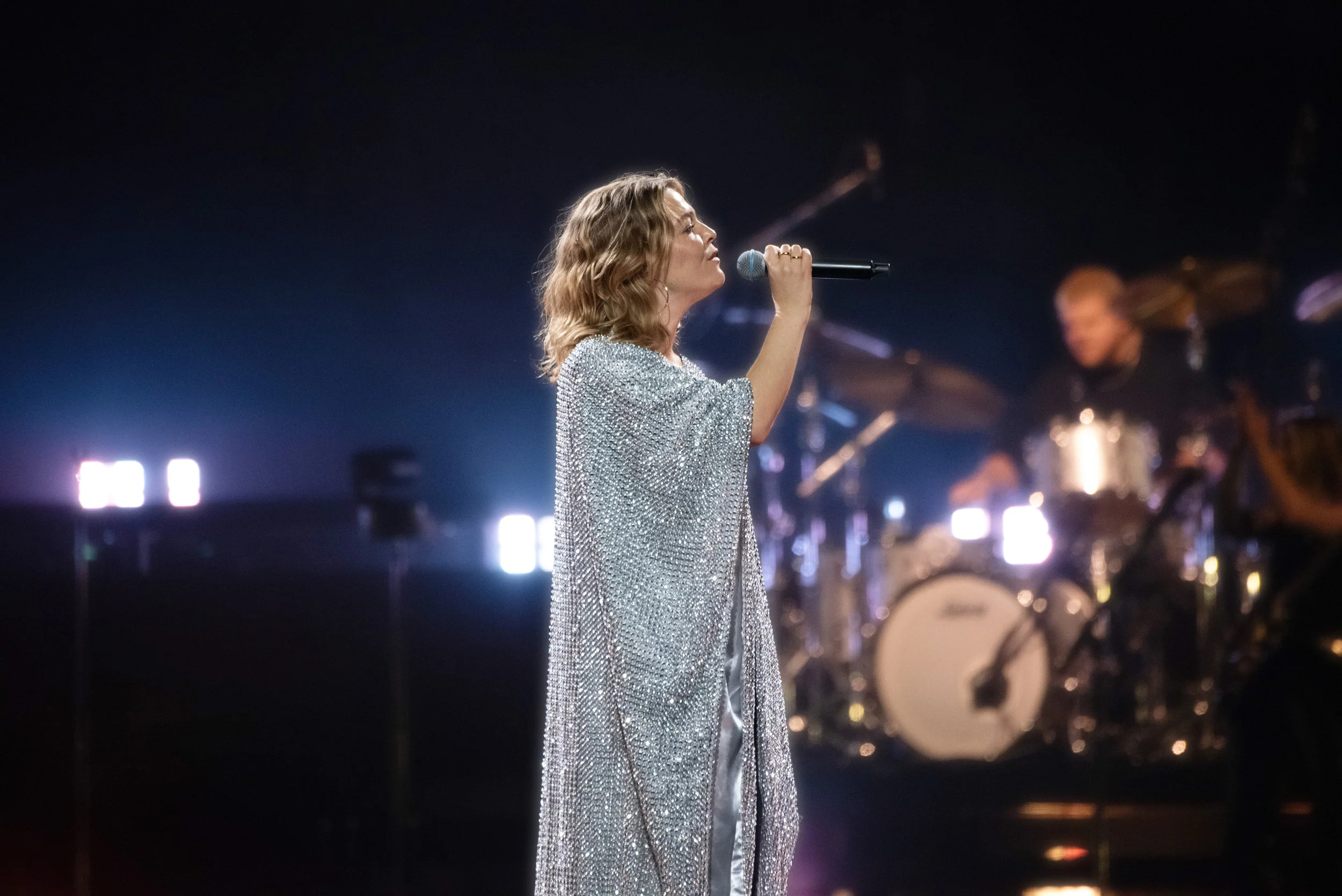
Maggie Rogers at TD Garden
TD Garden is the holy grail. The biggest arena in Boston, home to the Celtics and Bruins, and one of the most recognizable venues on any touring schedule. Shooting here, even once, is a milestone worth working toward.
The experience is unlike any other venue on this list. You'll check in with a LiveNation rep, receive your credentials, and be escorted through the underground corridors of the Garden to your shooting position, whether that's in a photo pit or front of house. That escort happens again when your three songs are done. You're walked back to security, your bag goes into a locker, and if you were given a review ticket you can watch the rest of the show from your seat. You will miss a few songs in the transition. That's just how it goes.
If you're assigned a front-of-house position, prepare accordingly. A 70-200mm typically won't give you enough reach at arena scale. Come with your longest glass, a monopod, and ideally a step stool. There's no improvising your way through this one. The venue's structure doesn't allow for it.
Pro Tip: Don't show up to TD Garden with just what you'd bring to a club show. Treat the gear checklist seriously. Long lens, monopod, step stool, and confirm your assignment (pit vs. front of house) before the night so you're not caught off guard.
Brighton Music Hall
Allston, Boston · Cap. ~450
Brighton Music Hall is a solid room with a genuine downside: the photo pit. It's one of the most cramped in the city — any more than four or five photographers and you're bumping elbows. Sold-out shows make crowd shooting after three songs a real exercise in patience, because the floor fills fast and there's not much room to move.
On the upside, Brighton is one of the more accessible venues for getting a photo pass in the first place. It's a good room to develop your craft and start building relationships. The lighting isn't beloved among photographers but it's workable.
Pro Tip: At a sold-out show, skip the floor battle and head to the back room behind the soundboard. Hoist your camera overhead using your back screen and you can pull wide shots over the crowd. It's not glamorous, but it works.
The Sinclair
Harvard Square, Cambridge · Cap. ~525

Coral Moons at The Sinclair
The Sinclair operates on a show-by-show basis when it comes to photo access. Sometimes open, sometimes not. A quick call ahead will tell you everything you need to know, and it's usually worth checking.
There's one thing to know upfront: there is no photo pit. Everyone shoots from the crowd, credentials or not. The lighting is genuinely challenging, ISO 10,000 is not an unusual starting point here, and you may find yourself pushing shutter speed lower than you'd like. If you have prime lenses, bring them. The extra stop or two of light can be the difference between a sharp frame and a miss. Despite all of that, The Sinclair books excellent acts and is worth the effort when the right show comes through.
Pro Tip: Get there early. The small middle level above the soundboard has a rail to lean on, which your back will appreciate after a full night of shooting handheld in a crowd. Grab that spot for the opener and early headliner songs before working the room.
Paradise Rock Club
Allston, Boston · Cap. ~933
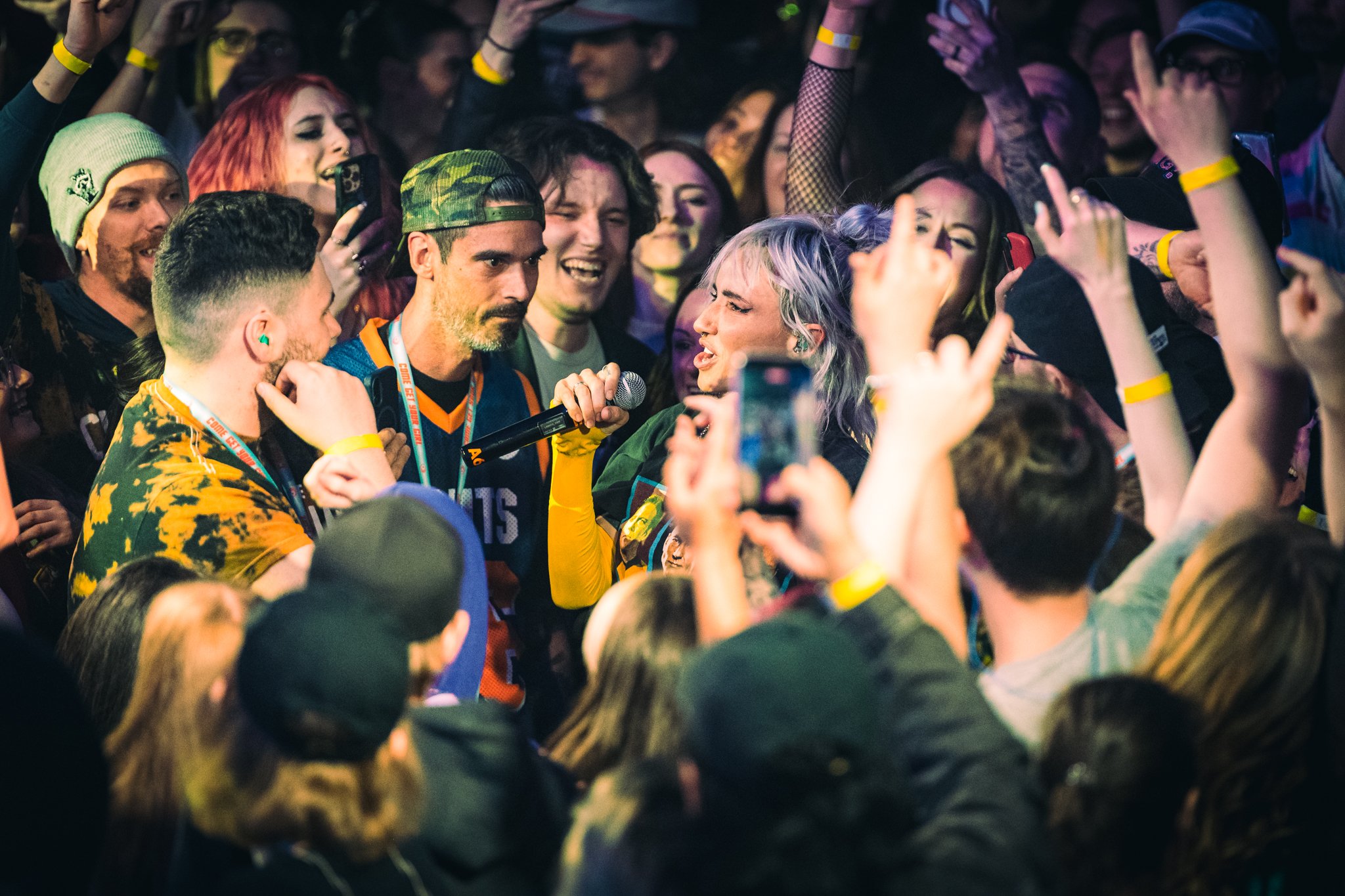
Lights at Paradise Rock Club
Every working concert photographer in Boston has a Paradise story, and very few of them are flattering. There is a photo pit, technically, but getting security to actually let you into it is a negotiation that often doesn't go your way, even with credentials directly from the artist. On top of that, the floor has structural poles throughout that create frustrating sightline problems no matter where you position yourself.
The weirdly shaped room has an upstairs section, but it fills quickly. The lighting, to its credit, is not bad. And the venue does book artists worth shooting. But there's a reason experienced photographers collectively exhale when they find out a show they want to cover is at Paradise. Go in with your expectations calibrated accordingly and a plan for making the most of a challenging environment.
Pro Tip: Once you've gotten what you can from the floor, head upstairs and hoist your camera high over the soundboard for wide stage shots. Alternatively, the stairs offer a decent angle before security inevitably asks you to move. Work fast and be flexible.
The Royale
Theater District, Boston · Cap. ~2,500
The Royale doubles as a nightclub, which means show scheduling here doesn't follow the standard formula. Doors at 7, opener at 8, headliner at 9 is a reasonable assumption almost everywhere else. Not here. Shows can start unusually early or run unusually late. Pay close attention to the specific show details before you arrive, because getting the timing wrong will cost you shots.
Photo pit availability at The Royale is inconsistent. Sometimes there is one, sometimes there isn't, and there's not always a clear reason why. Arrive early if crowd access is important to you, because getting close to the stage without a pit means positioning yourself before the room fills. The lighting is decent, and the real secret weapon of this room is the balcony. It’s elevated, spacious, and offers a wide perspective of the stage that you can't get from the floor.
Pro Tip: Shoot from the balcony. Even without a pit, you can get genuinely compelling wide shots from up there that tell the story of the room in a way floor-level shots simply can't. It's the move at The Royale.
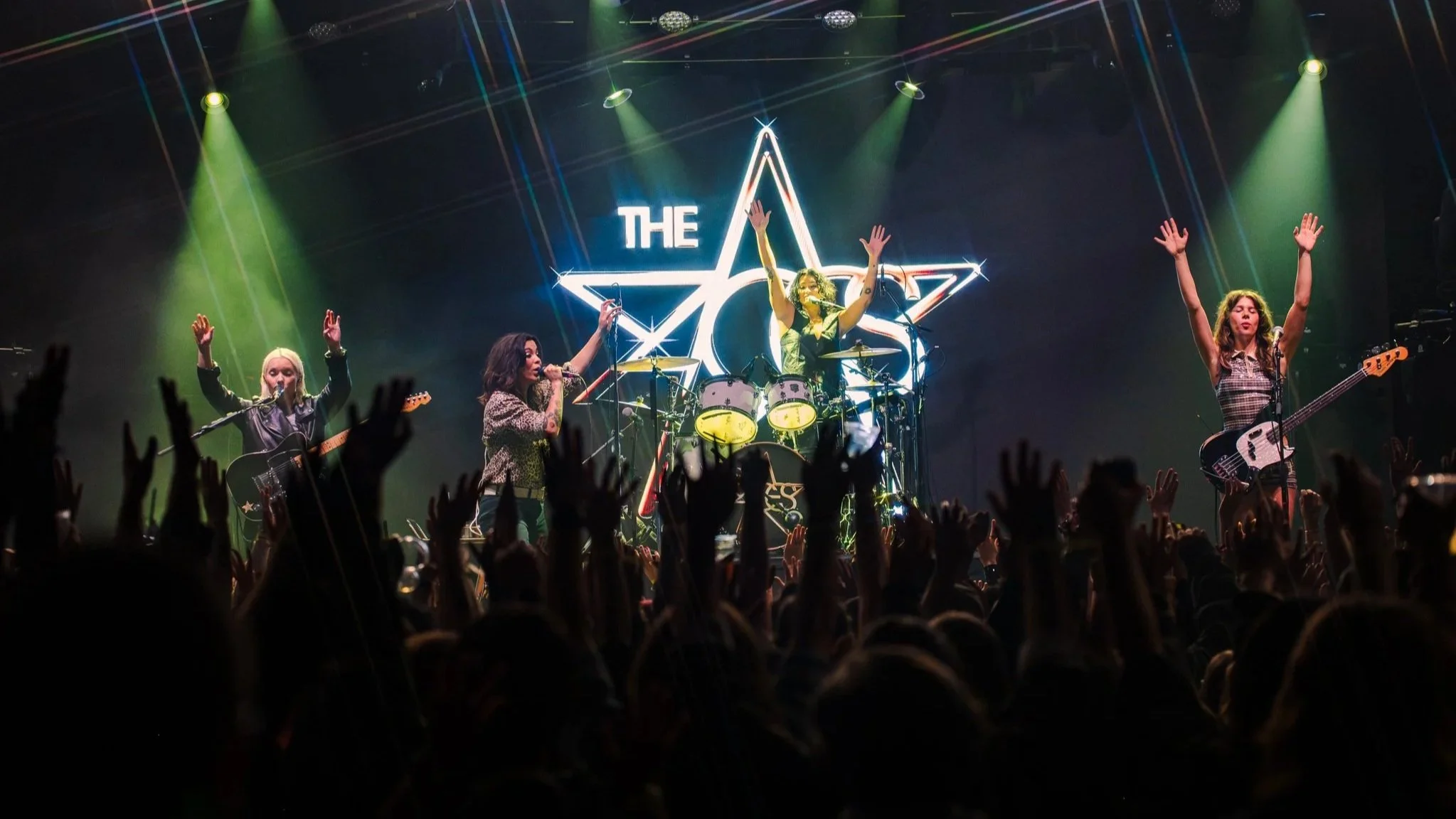
Smaller Venues: Great for Portfolio Building
Before you're landing photo passes, you need a portfolio — and these smaller rooms are where that work gets done. Most are open-photo venues or close to it. When in doubt, a quick call ahead will confirm the policy, but you're unlikely to run into any issues at any of these.
MIDDLE EAST UPSTAIRS
Cambridge, MA
One of the best spots in Cambridge for local and regional acts. The room is small and the lighting is a challenge, but that's exactly the kind of environment that sharpens your skills. Open photo in most cases — call ahead to confirm. Some genuinely great artists have come through this stage on the way up.
SONIA
Cambridge, MA
Generally open-photo with a quick call to confirm. A good low-pressure environment to shoot in and experiment with your settings before taking on bigger, more credential-dependent rooms.
O'BRIEN'S PUB
Allston, MA
An Allston staple for rock and punk shows. Small, loud, and usually no issue with photography. Call ahead to be sure. The intimate scale makes it easier to get close to the action than almost anywhere else on this list.
LIZARD LOUNGE
Cambridge, MA
A Cambridge basement venue with a loyal following. Generally photographer-friendly, confirm with a call before you show up with gear. Good for singer-songwriter and indie acts.
CANTAB LOUNGE
Cambridge, MA
Nestled right in Central Square, Cantab (both upstairs and downstairs) pull some serious acts. It’s always going to be an open photo venue, but just a heads up about downstairs: you’re going to have a funky backdrop to work with whether you like the design or not!
This isn't every venue in Boston. The city has plenty of other stages worth knowing, and the landscape keeps evolving. But these are the rooms you'll encounter most often as a working or aspiring concert photographer in the area. Learn their quirks, build relationships with their staff, and the rest tends to follow.
Have a venue that should be on this list? Reach out at nathan@nathansmithphotos.com
